


In today’s digital-first business environment, cyber threats are no longer a matter of if, but when. Data breaches, ransomware attacks, and system outages can disrupt operations, damage brand reputation, and lead to significant financial losses. This is why organizations are increasingly shifting from reactive security approaches to proactive cyber security services.
Proactive cyber security focuses on identifying, preventing, and mitigating threats before they cause harm—ensuring business continuity, data protection, and operational stability.
What Are Proactive Cyber Security Services?
Proactive cyber security services are designed to continuously monitor, analyze, and secure IT environments against known and emerging threats. Instead of responding after an incident occurs, these services aim to stop attacks at the earliest stage—or prevent them entirely.
Key components typically include:
- Continuous threat monitoring
- Vulnerability assessments and patch management
- Advanced threat detection and response
- Security policy enforcement
- Regular security audits and testing
Preventing Data Breaches Before They Happen
1. Continuous Monitoring & Threat Detection
Proactive security services use real-time monitoring tools to detect suspicious activities across networks, endpoints, and cloud environments. Early detection allows security teams to neutralize threats before sensitive data is accessed or compromised.
2. Vulnerability Management
Unpatched systems and outdated software are common entry points for attackers. Proactive cyber security includes regular vulnerability scans and timely patching to close security gaps before they are exploited.
3. Advanced Endpoint & Network Protection
Modern cyber security solutions deploy AI-driven threat intelligence, firewalls, and intrusion prevention systems to block malware, phishing attempts, and unauthorized access attempts in real time.
Reducing Downtime and Business Disruption
1. Faster Incident Response
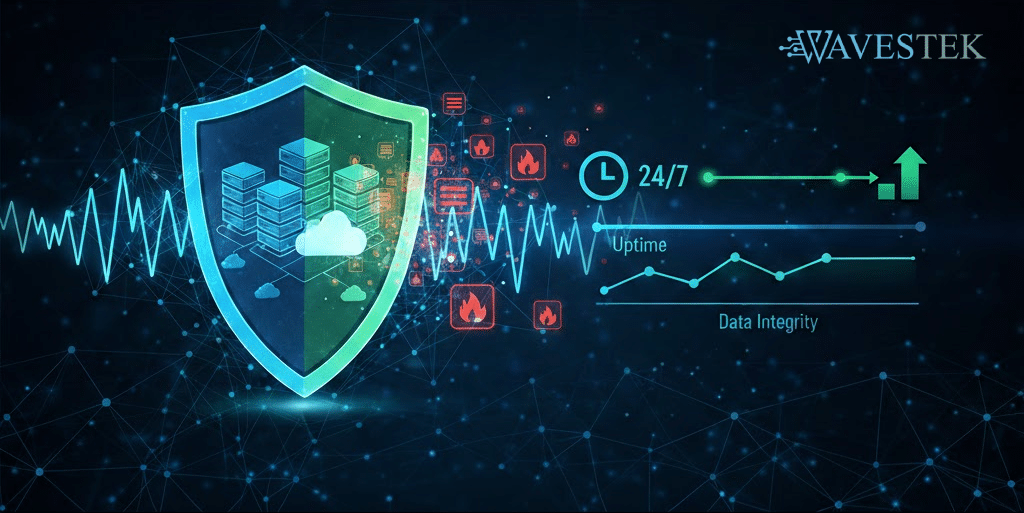
Even with strong defenses, some threats may slip through. Proactive cyber security services include rapid incident response strategies that minimize system downtime and prevent threats from spreading across the network.
2. Ransomware & Malware Prevention
By proactively filtering malicious traffic and monitoring abnormal behavior, organizations can avoid ransomware attacks that often lead to prolonged downtime and costly recovery efforts.
3. Business Continuity Planning
Proactive security strategies align closely with disaster recovery and backup solutions, ensuring that systems can be restored quickly if an incident occurs—keeping operations running with minimal disruption.
Strengthening Compliance and Trust
Many industries must comply with strict data protection regulations. Proactive cyber security services help businesses:
- Maintain regulatory compliance
- Protect customer and client data
- Build trust with stakeholders
- Avoid legal penalties and reputational damage
Why Proactive Cyber Security Is a Smart Investment
The cost of preventing cyber incidents is significantly lower than recovering from them. Investing in proactive cyber security services results in:
- Lower risk of data breaches
- Reduced operational downtime
- Improved system performance
- Long-term cost savings
In an era of evolving cyber threats, proactive protection is no longer optional—it’s essential.
Conclusion
Cyber threats are becoming more sophisticated, frequent, and damaging. Proactive cyber security services empower businesses to stay ahead of attackers by preventing data breaches, minimizing downtime, and ensuring uninterrupted operations.
By adopting a proactive security approach, organizations can safeguard their digital assets, protect customer trust, and maintain a resilient IT infrastructure ready for future challenges.
Secure Your Business Before Threats Strike
Partner with our cyber security experts to implement proactive cyber security services that protect your data, reduce downtime, and strengthen your digital defenses.